News
Injection Molding Tools A Streamlined Guide
2026-04-14
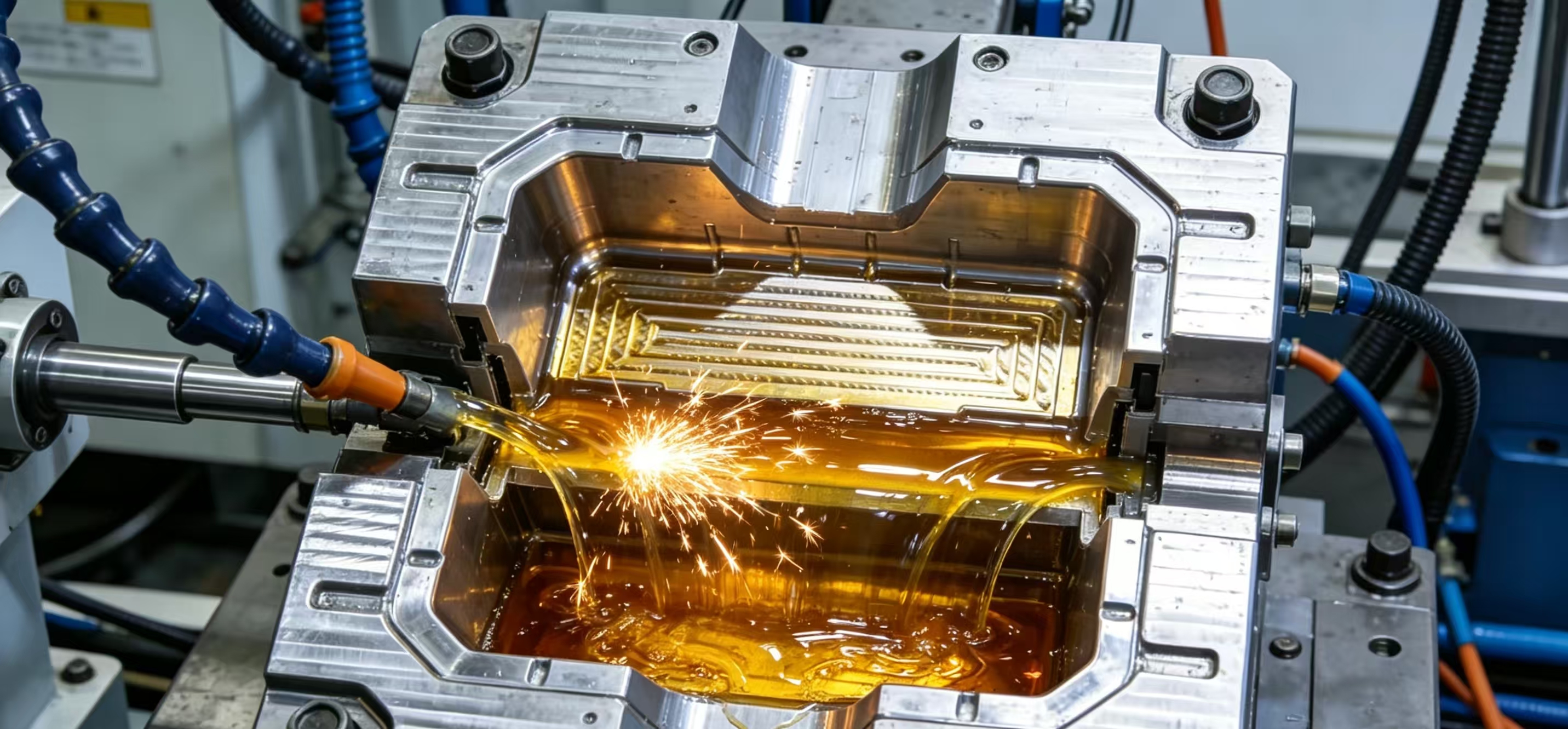
Plastic injection molding is a foundational manufacturing process that uses precision molds (often called “tools”) to shape heat-melted polymers or elastomers into finished parts. Modern techniques include standard injection molding, insert molding, 2K molding, metal injection molding, and overmolding. In this process, molten plastic is injected into mold cavities, cooled, and solidified to form complex components at scale—making it ideal for high-volume production across diverse materials.
How Are Injection Molding Tools Made?
Mold tooling relies primarily on subtractive manufacturing methods like CNC machining, electrical discharge machining (EDM), and laser ablation for micron-level precision. For specialized inserts, additive processes such as 3D printing or electroforming may also be used, often combined with subtractive techniques to meet performance requirements.
Before tooling begins, critical parameters must be evaluated: part size/geometry, material selection, production volume, plastic shrinkage rates, surface finish specifications, and budget constraints. The mold-making process follows three core stages:
1. Mold Design (CAD Modeling)
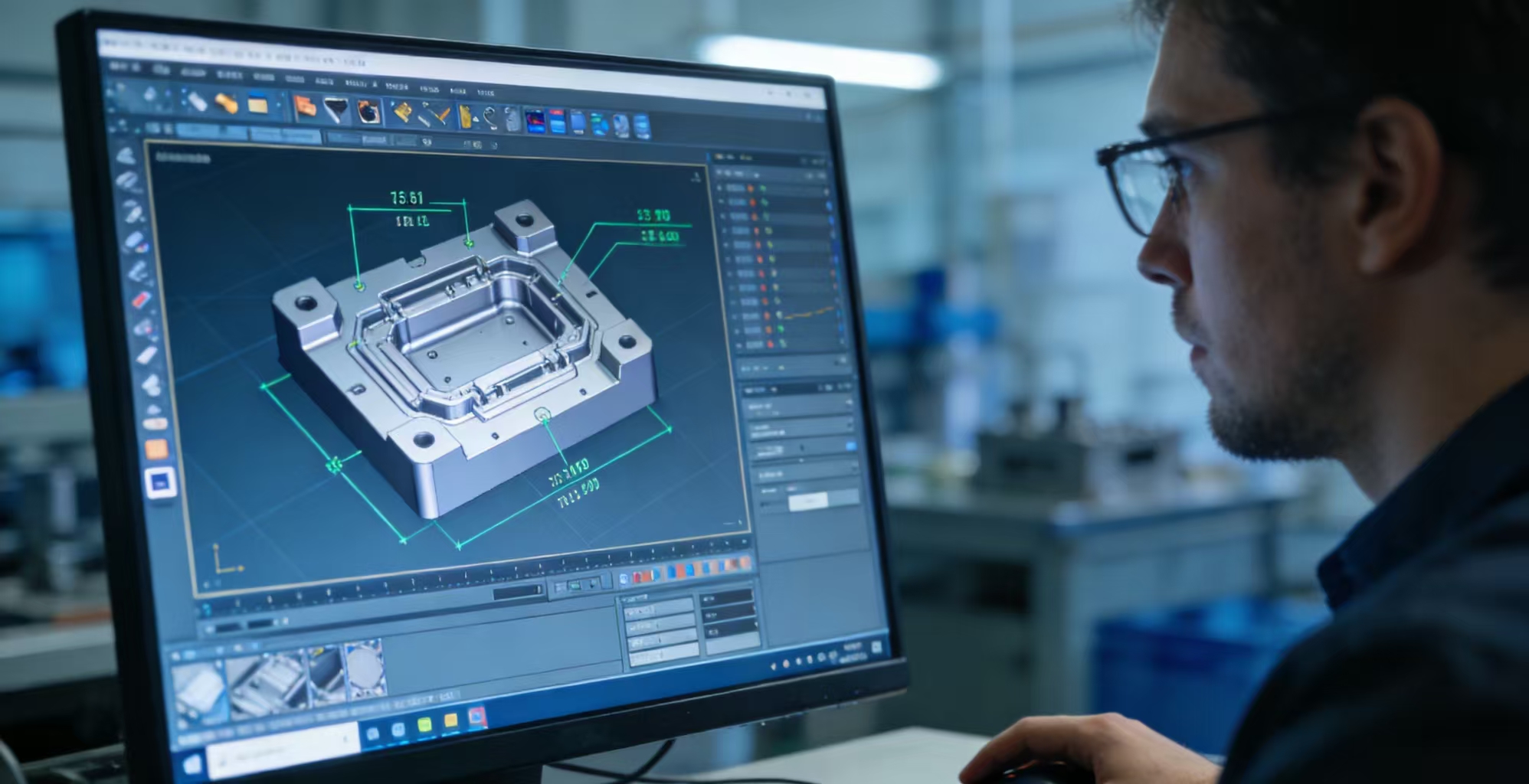
Mold design starts with input data: part drawings, material specs, injection molding machine capabilities, and tooling requirements (e.g., mold type, runner systems, gating, automation integration, and cycle time targets). Experienced designers balance these factors with manufacturing feasibility to create robust, production-ready molds.
Modern CAD software automates routine calculations and repetitive tasks (like generating core/cavity geometries from part models), reducing errors and cutting modeling time. These tools optimize parting surfaces, select standard mold bases, and integrate essential components: cooling lines, runners, gates, slides, lifters, ejectors, guides, and fasteners—freeing designers to focus on complex planning while improving tool quality and lowering production costs.
2. Mold Simulation & Validation
Simulation is critical to minimize trial-and-error during mold testing and shorten time-to-market. By leveraging real-time data from injection molding machines, designers validate flow, cooling, and ejection processes virtually before physical production.
Continuous machine data feeds also help align mold design with equipment availability and performance, preventing delays from tool or machine failures. The final mold design is digitally “installed” in a virtual injection molding machine for process planning, and detailed drawings are stored in a database to guide machining, assembly, and testing.
3. Prototype Molds
Prototype molds are used for small-batch production (200 to several thousand parts) to validate form, fit, and function before full-scale tooling. These molds typically use interchangeable standard bases with custom aluminum or soft steel core/cavity inserts, and can be produced via CNC machining or 3D printing.
Advances in 3D printing materials and precision now allow for direct mold production, enabling faster iteration on low-volume parts—though traditional metal molds remain the standard for high-volume, long-lasting production.
Plastic Injection Mold Costs
While initial mold costs may seem higher than 3D printing or CNC machining, injection molding becomes highly cost-effective at scale due to its ability to produce thousands of parts efficiently. Key cost drivers include:
Setup time for CNC machine labor rates
Equipment depreciation/leasing costs
CAD/CAM design and programming
Per-cavity machining timenes
Raw material costs (steel or aluminum)
Hourly machine/operator
Part complexity (undercuts, threads, tight tolerances)
Surface finish requirements (e.g., polished or textured surfaces)
Complex geometries with undercuts or high cosmetic finishes increase costs significantly, as they demand more intricate tooling and post-processing. Choosing easily moldable materials and simplifying part design can directly lower expenses.
How to Reduce Injection Molding Costs
To optimize mold and part costs without sacrificing quality, focus on these strategies:
Minimize complexity: Eliminate unnecessary features and avoid undercuts where possible.
Simplify tooling: Use core-cavity designs and standard mold bases to reduce custom machining.
Limit cosmetic finishes: Reduce high-gloss or textured surfaces to cut polishing time.
Design for assembly: Create self-assembling parts to lower post-molding labor.
Reuse existing molds: Modify legacy tools for similar parts to avoid full retooling.
Prioritize DFM: Conduct rigorous Design for Manufacturing reviews early in development.
Leverage multi-cavity molds: Increase production efficiency per cycle with family or multi-cavity tooling.
Adopt on-demand production: Align tooling capacity with actual demand to avoid overinvestment.
Explore advanced techniques: Test overmolding or insert molding to combine parts and reduce assembly steps.
Contact Us:
Tel: +86-755-82382595 / +86-755-28324200
Email: marketing@huaweiproduct.com
Website: www.huaweiproduct.com
WhatsApp: +86-13692120770
.jpg)